
Property Appraisal Umpire Services
Independent, Neutral Umpire Services for Property Insurance Disputes
When two appraisers cannot agree on the amount of a property insurance loss, the insurance policy may provide for a neutral umpire to help resolve the remaining differences.
Building Damage Consultants provides property appraisal umpire services for qualifying commercial and complex property insurance disputes.
Our role as an umpire is different from our role as a public adjuster or party-appointed appraiser.
An umpire does not represent the policyholder or the insurance company.
The umpire serves as a neutral third party within the appraisal process, evaluating the disputed issues and working toward a resolution consistent with the applicable policy and appraisal procedure.
Building Damage Consultants Umpire Services
Building Damage Consultants provides appraisal and umpire services for appropriate property disputes involving:
- Commercial property
- Large-loss property claims
- Storm damage
- Wind damage
- Hail damage
- Roof damage
- Fire damage
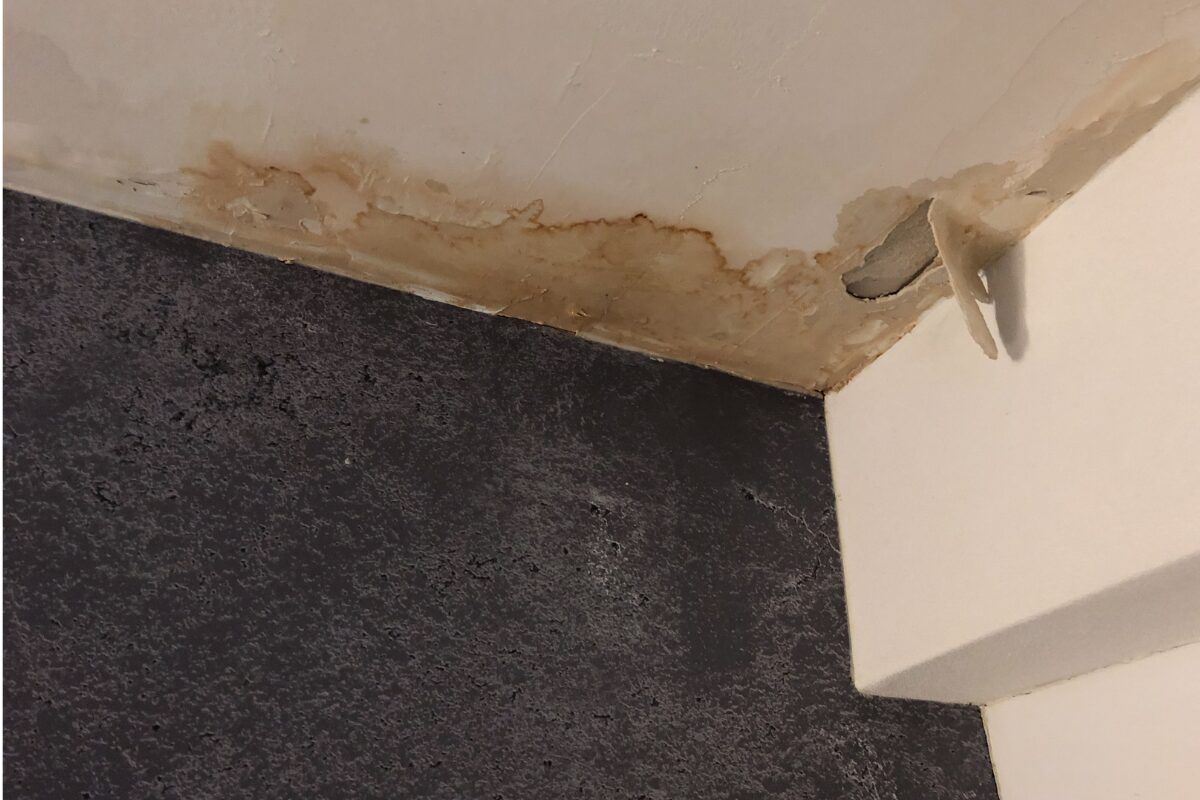
- Water damage
- Complex building losses
- Multi-building property losses
- Other significant property damage disputes
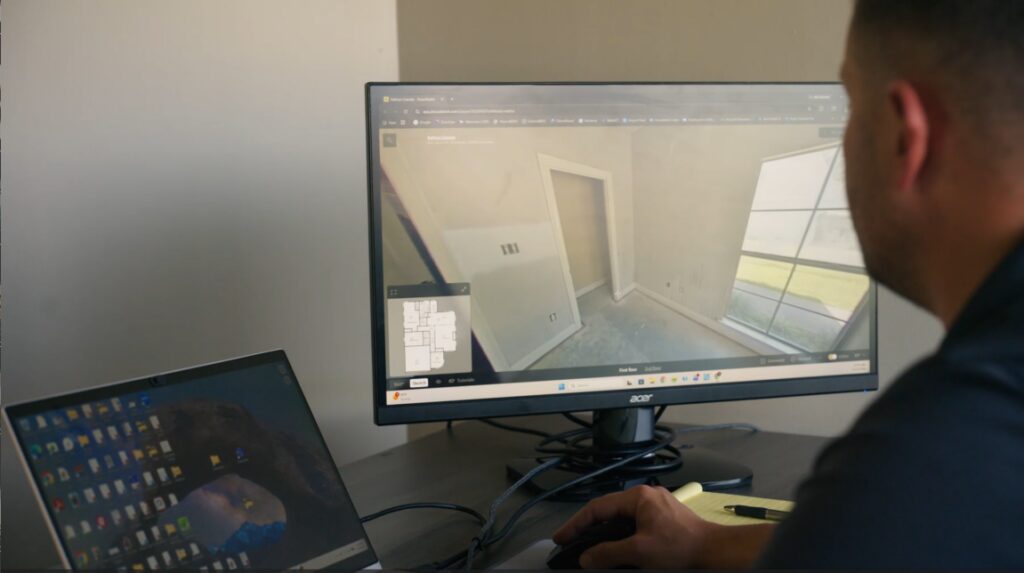
Our experience includes evaluating complex property damage, construction scopes, estimates, and the documentation supporting property losses.
This page answers questions you may have about Umpires. Use quick links below, or scroll to learn more.
What Is an Property Appraisal Umpire?
What Does a Property Appraisal Umpire Do?
What an Property Appraisal Umpire does Not Do.
When Is an Umpire Needed in Property Appraisal Dispute?
Commercial Property Appraisal Umpire Services
Our Approach to Umpire Services
What Does a Property Appraisal Umpire Review?
What Is the Difference Between an Appraiser and an Umpire?
What Is a Property Appraisal Umpire?
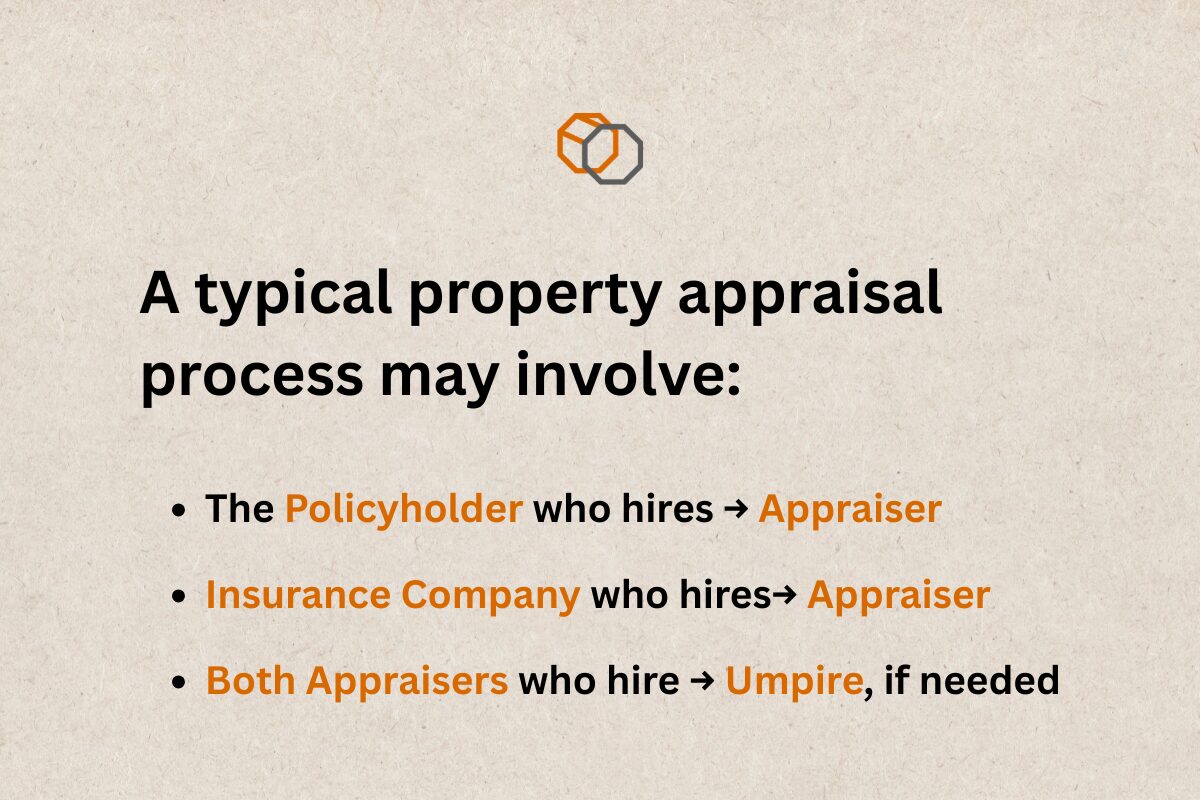
A property appraisal umpire is a neutral third party who may become involved when the two appraisers appointed by the policyholder and insurance company cannot reach agreement.
The appraisers attempt to reach agreement on the amount of the disputed loss.
When they cannot agree, the applicable policy and governing requirements may provide for an umpire to participate in resolving the remaining disagreement.
The exact authority, procedure, and requirements for an umpire depend on the applicable insurance policy and jurisdiction.
What Does an Property Appraisal Umpire Do?
The umpire's role is to provide an independent perspective on the disputed issues presented during the appraisal process.
Depending on the circumstances and applicable appraisal procedure, an umpire may:
- Review the positions presented by the appraisers
- Review estimates and supporting documentation
- Examine photographs, reports, and other evidence
- Participate in property inspections
- Evaluate disputed scope items
- Consider differences in quantities or pricing
- Review repair methodologies
- Hear the positions of the appraisers
- Identify areas of agreement and disagreement
- Help the appraisers reach agreement where possible
- Determine disputed amounts when the appraisal process requires an umpire determination
The umpire's role is not to advocate for either side.
The objective is neutrality.
An umpire should evaluate the information presented and apply the applicable appraisal process without representing either party.

What an Umpire Does Not Do
Understanding the limits of the umpire's role is important.
An umpire does not serve as an advocate for either party.
An umpire generally does not act as:
- The policyholder's public adjuster
- The insurance company's adjuster
- An attorney for either party
- A representative for either party
The appraisal process generally addresses the amount of a covered loss, rather than determining whether the insurance policy provides coverage.
Coverage disputes, policy interpretation, liability questions, and other legal issues may fall outside the scope of appraisal depending on the policy and applicable law.
The specific authority of an umpire should always be determined from the applicable policy, appraisal provision, and governing requirements.
Independence Is Essential
Because an umpire must remain neutral, independence matters.
Building Damage Consultants evaluates each potential umpire assignment individually.
If BDC has previously represented a party in the underlying claim or has another relationship that could compromise the required neutrality, we will not accept the engagement as an umpire when doing so would create a conflict or otherwise be inappropriate.
Our goal is to preserve the integrity of the appraisal process.
When Is an Umpire Needed in Property Appraisal?
An umpire may become necessary when the two party-appointed appraisers cannot agree.
For example:
Scenario: A commercial property experiences significant storm damage.
- The policyholder appoints an appraiser.
- The insurance company appoints an appraiser.
- The two appraisers review the property and compare their respective estimates. They agree on many items but cannot agree on several significant components of the loss. If the applicable policy provides for an umpire and the appraisers cannot resolve their differences, a qualified neutral umpire may be selected.
The umpire can then participate in the appraisal process according to the applicable policy and requirements.
Commercial Property Appraisal Umpire Services
Commercial property insurance disputes can involve substantial and technically complicated differences.
A commercial property may include:
- Multiple buildings
- Large roofing systems
- Exterior building components
- HVAC systems
- Electrical systems
- Plumbing
- Mechanical equipment
- Specialized equipment
- Interior finishes
- Building contents
- Tenant improvements
- Business personal property
- Other specialized property
The disagreement may involve much more than the final dollar amount.
Appraisers may disagree about:
- Scope
- Quantities
- Measurements
- Materials
- Repair methodology
- Labor
- Pricing
- Replacement requirements
- Building components
- Extent of damage
A qualified umpire needs to understand the information behind the numbers.

Our Approach to Umpire Services
At Building Damage Consultants, we approach umpire assignments with an emphasis on independence, documentation, technical understanding, and procedural fairness.
What Does a Property Appraisal Umpire Review?
The specific issues presented to an umpire will vary by claim.
Depending on the assignment, the umpire may review:
Property Damage - The documented physical condition of the property and the damage relevant to the disputed loss.
Scope of Work - Differences regarding what work is necessary to repair or replace damaged property.
Quantities - Differences involving measurements, quantities, or the amount of material or labor required.
Pricing - Differences in the costs associated with materials, labor, equipment, or other repair components.
Repair Methodology - Disagreements about the appropriate method for repairing or replacing damaged property.
Estimates - The estimates and documentation submitted by the respective appraisers.
Supporting Evidence - Photographs, inspection reports, measurements, invoices, reports, and other information relevant to the disputed amount of loss.
Public Adjusting, Damage Consulting, Appraisal & Umpire Services
Building Damage Consultants provides several distinct services within the property insurance claim process.
Public Adjusting - We represent policyholders in developing and presenting their property insurance claims.
Certified Damage Consulting - We inspect, document, analyze, and assess property damage and develop technical information regarding the loss.
Property Damage Appraisal - We provide registered property loss and damage appraisal services when acting as a party-appointed appraiser.
Umpire Services - When appropriately independent, we serve as a neutral third party in property insurance appraisal proceedings.
These roles should not be confused with one another. The role we accept depends on the circumstances of the claim and the requirements of the engagement.
What Is the Difference Between an Appraiser and an Umpire?
In simple terms:
The appraisers represent their respective sides of the appraisal process.
The umpire represents neither side.
That neutrality is the foundation of the umpire's role.
Why Experience Matters in an Property Appraisal Umpire
A complicated property insurance appraisal can involve thousands of line items and substantial differences between competing estimates.
An effective umpire needs to understand more than insurance terminology.
The process can require knowledge of:
- Property construction
- Building systems
- Roofing
- Restoration
- Construction estimating
- Property damage
- Repair methodology
- Material quantities
- Labor requirements
- Industry pricing
- Claim documentation
- Commercial property losses
Building Damage Consultants brings experience across these areas. Our professionals include licensed public adjusters, certified damage consultants, registered property loss/damage appraisers, and property appraisal umpires. This multidisciplinary experience provides a strong technical foundation for evaluating complex property loss disputes.
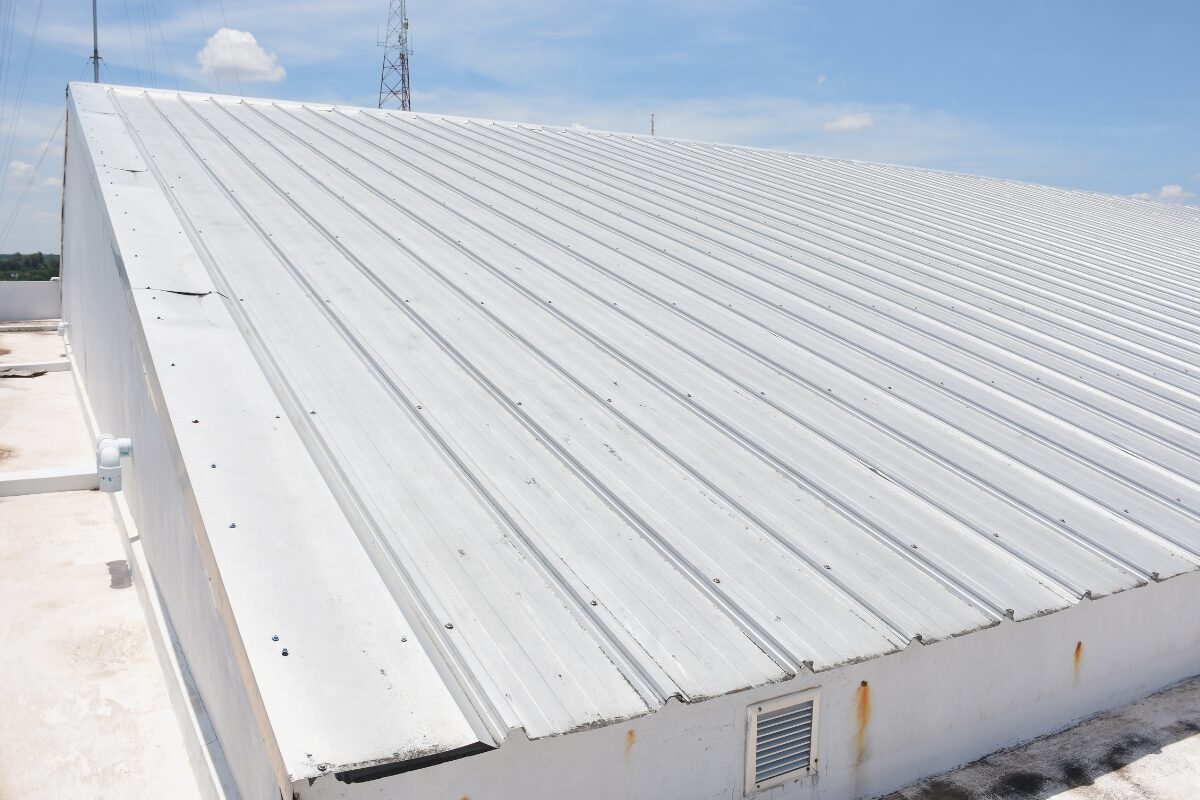
Consider a large commercial roof loss. One appraiser may determine that replacement is necessary. The other may determine that a different repair approach is appropriate.
The disagreement may involve roof areas, replacement quantities, labor, equipment, etc. Resolving the disagreement requires understanding what the estimates actually represent. The same principle applies to complex interior losses, mechanical systems, equipment, building components, and other commercial property damage.
The numbers tell only part of the story. The umpire must understand the scope behind the numbers.
Need a Property Appraisal Umpire?
If you are an attorney, insurance professional, property owner, appraiser, or other professional involved in a property appraisal and need a qualified neutral umpire, Building Damage Consultants can evaluate the assignment.
We understand the technical nature of commercial property damage and insurance claims, and we approach umpire assignments with independence and professionalism.
Request Umpire Information
833-61-CLAIM (833-612-5246)
info@bdc.claims